

It can be tough when kids have big feelings. Sometimes they don’t know what to do with them, leading to meltdowns or acting out. You might be looking for ways to help them find a sense of calm and manage their emotions better. This is where yoga comes in. You might be surprised to learn how a simple practice like yoga can make a real difference in how children understand and handle their emotions. Let’s explore the link between yoga and emotional regulation in kids.
Key Takeaways
- Kids need to acquire emotional regulation for their well-being and relationships.
- Yoga teaches kids to relax through movement and mindfulness.
- Kids can relax and gain stability with yoga practices like Tree Pose and breathing exercises.
- Yoga improves empathy, attentiveness, and self-awareness in kids.
- Yoga in a safe setting with gentle teaching helps kids grow confidence and explore their emotions without judgment.
Understanding Emotional Regulation in Children
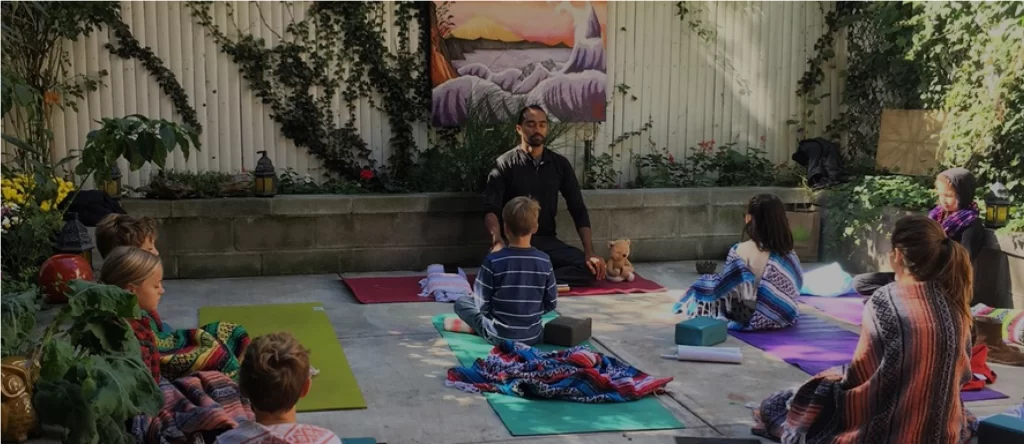
Founder Sebastian Alappat Leading a Yoga Class
Think about how a little one reacts when things don’t go their way. Maybe it’s a full-blown tantrum, a stream of tears, or a stubborn refusal to budge. These are all signs that a child is experiencing big feelings they haven’t quite figured out how to handle yet. Emotional regulation is basically the skill of managing those feelings and the behaviors that come with them. It’s about learning to notice what you’re feeling, understanding it, and then choosing how to respond instead of just reacting.
What Does Emotional Regulation Entail?
At its core, emotional regulation is about having a handle on your inner world. It means you can recognize when you’re feeling happy, sad, angry, or frustrated, and then you can do something about it. This isn’t about stuffing feelings down or pretending they don’t exist. Instead, it’s about being able to dial the intensity up or down as needed, and express yourself in ways that work for you and the situation. It’s a complex process that involves paying attention to your thoughts, feelings, and actions, and making adjustments when necessary, especially when you feel like acting impulsively. This ability to self-manage is more important for a child’s success than even knowing a lot of facts.
Why Emotional Regulation Matters for Young Minds
Why is this so important for kids? Well, when children can manage their emotions, they’re better equipped to handle life’s bumps and bruises. They can focus better in school, build stronger friendships, and make smarter choices. Without these skills, kids might struggle with stress, have trouble getting along with others, or find it hard to learn. It’s a building block for a healthy mind and a happier life. For parents, understanding when your child might need a little extra help with these skills is key, and there are resources available to help you support their growth.
Common Hurdles in Childhood Emotional Management
Kids face a lot of challenges when it comes to managing their feelings. Sometimes, they just don’t have the words to describe what they’re feeling, so they act it out instead. Other times, they haven’t learned healthy ways to cope with big emotions, leading to outbursts or shutting down. Sensory overload or things happening around them can also make it tough for them to stay calm. It’s a learning process, and some kids might need more guidance than others.
- Limited emotional vocabulary
- Lack of effective coping strategies
- Overwhelm from sensory input or environment
Learning to manage emotions is a skill, not something kids are just born with. It takes time, practice, and a supportive environment for them to develop these abilities.
Yoga’s Gentle Approach to Emotional Balance

Yoga can help children manage their emotions by connecting mind and body through movement. It allows them to recognize physical sensations linked to their feelings, thus learning to understand their emotions. Mindfulness practices, such as focusing on breath and being present, enable children to pause and observe their emotions without being overwhelmed. Additionally, engaging in yoga builds emotional resilience, teaching children to navigate challenges and develop confidence in managing difficult feelings. Ultimately, yoga provides a safe space for emotional exploration, fostering a balanced approach to life’s fluctuations.
Practical Yoga Techniques for Emotional Well-being
Yoga provides tools for children to connect with their emotions and find calmness. It focuses on self-discovery rather than perfect poses. Grounding techniques like Mountain Pose and Tree Pose enhance stability and confidence, while Child’s Pose offers comfort. Breathing exercises, such as Belly Breathing and Lion’s Breath, help soothe and release tension. Mindful sequences, like adapted Sun Salutations, promote body awareness and emotional understanding. Regular practice fosters coping strategies and empowers children to manage their feelings effectively.
How Yoga Nurtures Self-Awareness and Empathy
Yoga nurtures self-awareness and empathy in children by encouraging them to pause and tune into their feelings. It helps kids identify their emotions, transforming vague feelings into recognizable states, which enhances their understanding of themselves. As children become more aware of their emotional states, they cultivate compassion for themselves and others, recognizing shared feelings. Additionally, yoga exercises improve focus and concentration by requiring present-moment awareness. Overall, yoga serves as a valuable tool for children to process emotions healthily, fostering greater self-awareness and empathy.
Creating a Supportive Space for Growth

Spark Yoga PA
Creating a supportive environment for children during yoga involves the teacher acting as a calm anchor, helping them explore their emotions without judgment. The focus is on being present and responsive, using gentle language to guide children in managing their feelings. Techniques like suggesting a child’s pose or deep breathing can help them navigate overwhelming emotions. Additionally, yoga builds confidence through encouragement, emphasizing effort rather than perfection. Celebrating small successes fosters a sense of self-worth that extends beyond the yoga mat. You can find some great ideas for mindful activities for kids at art and yoga activities.
Creating a safe exploration environment for children requires setting boundaries and giving flexibility within them. If you’re helping a child do Warrior II, give them a few tips but let them feel the stretch and strength. Respecting a child’s refusal to do certain poses helps them feel accepted and benefit from their practice. They must be themselves at the moment.
Yoga’s Impact on Cognitive and Social Skills
Beyond just helping kids feel calmer, yoga can actually give their brains a little boost, too. It’s not just about stretching and breathing; it’s about learning to focus and think a bit differently. When you practice yoga, you’re often asked to pay attention to just one thing at a time – maybe the feeling of your feet on the mat or the rhythm of your breath. This practice helps kids get better at concentrating, which is super useful for schoolwork and just paying attention in general.
Improving Metacognition and Thought Processing
Think of metacognition as thinking about your own thinking. Yoga helps kids do this by making them more aware of what’s going on inside their heads. When a child is on the yoga mat, they might notice a thought pop up, like “I can’t do this pose.” By practicing yoga, they learn to observe that thought without immediately acting on it. This ability to pause and consider their thoughts can help them figure out if a thought is helpful or not, making it easier to sort through feelings and ideas.
Strengthening Relationships Through Emotional Intelligence
As kids get better at understanding their own emotions through yoga, they also start to understand others better. This growing emotional awareness can lead to more compassion. When you can recognize when you’re feeling frustrated, you might also start to notice when a friend is feeling that way too. This shared understanding can make it easier to get along with others, share, and work together.
Engaging More Fully in Learning and Life
Engaging in yoga helps children manage their emotions and improve focus, making them more ready to learn and participate. It allows them to observe their internal feelings, fostering a connection between emotions and actions, which leads to thoughtful responses instead of impulsive reactions. Yoga essentially provides a “pause button” for their busy minds, enhancing their presence in various activities.
Here’s a look at how yoga can help:
- Better Focus: Regular practice can improve a child’s ability to concentrate on tasks.
- Emotional Awareness: Kids learn to identify and name their feelings, which is the first step to managing them.
- Calmer Reactions: By learning to breathe through challenging poses, children practice staying calm when things get tough.
- Improved Social Skills: Understanding their own emotions helps them connect better with peers and show more kindness.
Yoga does more than just stretch your body; it actually helps your brain grow! Practicing yoga can make you better at focusing and understanding others. It’s like a workout for your mind and your social skills, helping you learn and connect more easily. Want to see how yoga can boost your child’s abilities? Visit our website to learn more!
Bringing It All Together
Incorporating yoga into children’s routines serves as an effective strategy for managing emotions and fostering resilience. By engaging in simple poses and mindful breathing, kids can cultivate a sense of calm and self-awareness, enabling them to navigate challenging feelings with greater ease. This practice not only empowers them to gain control over their emotions but also provides a safe mental space for reflection and relaxation, equipping them with valuable tools for emotional regulation throughout their lives.