

Physical mobility is important for cognitive development, which may surprise people who equate learning with stillness and mental exertion. Exercise boosts brain growth by strengthening neural connections, contrary to popular perception. This intriguing link between mobility and mental clarity prompts us to study how physical activity improves cognition. Join us as we study how movement improves cognition and how to apply it into learning.
Key Takeaways
- Moving your body helps your brain grow by increasing oxygen flow and building new pathways.
- Physical activity boosts important thinking skills like paying attention, remembering things, and solving problems.
- Specific movements can help different parts of your brain work together better, like connecting the left and right sides.
- Different ages need different kinds of movement to support their brain development, from free play for little ones to structured games for older kids.
- You can easily add more movement into your day by taking short breaks, linking actions to learning, or just making movement part of your routine.
The Intrinsic Link Between Movement and Brain Growth
Spark NYC Summer Camp 2026
People are starting to realize that movement is an important part of learning, especially for kids. Kids are naturally active from a young age, exploring their environment and playing outside. This innate behavior is important for the growth and function of their brains, not just for burning off energy. Recent scientific studies have revealed the complex interplay between physical activity and cognitive development, contesting the conventional belief that learning transpires independently of movement. As we examine this intriguing topic, we will look at how movement helps neuronal connections, builds basic abilities, and boosts executive functions. This will show how important it is to include physical activity in education for the best brain development.
Unlocking Cognitive Potential Through Physical Activity
Learning is not solely a mental process; physical movement significantly enhances cognitive function. Engaging in physical activity, even briefly, can improve attention and focus, as evidenced by scientific studies. Movement stimulates the brain, releasing chemicals that facilitate better concentration.
- Increased Alertness: Physical activity gets your blood flowing, delivering more oxygen to your brain, which helps you feel more awake and ready to learn.
- Improved Concentration: Certain types of movement can help quiet down the mental chatter, making it easier to zero in on the task at hand.
- Sustained Attention: The benefits aren’t just short-lived. Regular movement can help you maintain focus for longer periods.
Strengthening Memory Encoding and Recall
Recent insights indicate that physical movement significantly enhances memory encoding and recall. Engaging in physical activity stimulates the brain and promotes the formation of new neural connections essential for learning and retrieval. The memory process can be understood as constructing pathways, and developing more pathways allows for more efficient information access. This connection underscores the importance of physical activity in cognitive function, particularly in remembering facts and acquiring new skills.
Cultivating Problem-Solving Abilities
Problem-solving involves actively trying different approaches and adapting through movement and physical activities. Engaging in activities that require coordination and strategy, such as games or construction tasks, enhances cognitive flexibility and decision-making skills. These physical challenges serve as a mental workout, preparing individuals to effectively address challenges in various situations.
The Neuroscience Behind the Movement-Learning Connection
In recent years, neuroscience has increasingly recognized the complex relationship between movement and learning. Rather than viewing the brain as the sole command center, research suggests a constant communication between the brain and body, with movement playing a vital role. Physical activity is shown to influence brain chemistry, structure, and cognitive processes, enhancing focus, motivation, memory, and self-control. This underscores the importance of integrating movement into daily life for optimal cognitive function.
Here’s a quick look at how different movements can support specific cognitive areas:
- Reading & Language: Cross-lateral movements (like crossing your arms over your body) and rhythmic activities can help integrate brain hemispheres and improve phonological processing.
- Math & Spatial Skills: Moving through space, like in obstacle courses or navigation games, helps build mental maps and spatial reasoning.
- Attention & Focus: Cardiovascular exercise is particularly good at boosting attention and concentration.
It’s a reminder that learning isn’t confined to a desk; it’s a whole-body experience.
Nurturing Development Through Age-Appropriate Movement

Spark Nature PA
As children grow, their needs for movement change, and so does how movement supports their developing brains. What works for a toddler might not be quite right for a school-aged child, and that’s perfectly okay. It’s about meeting them where they are and providing opportunities that fit their stage.
Early Childhood Exploration and Discovery
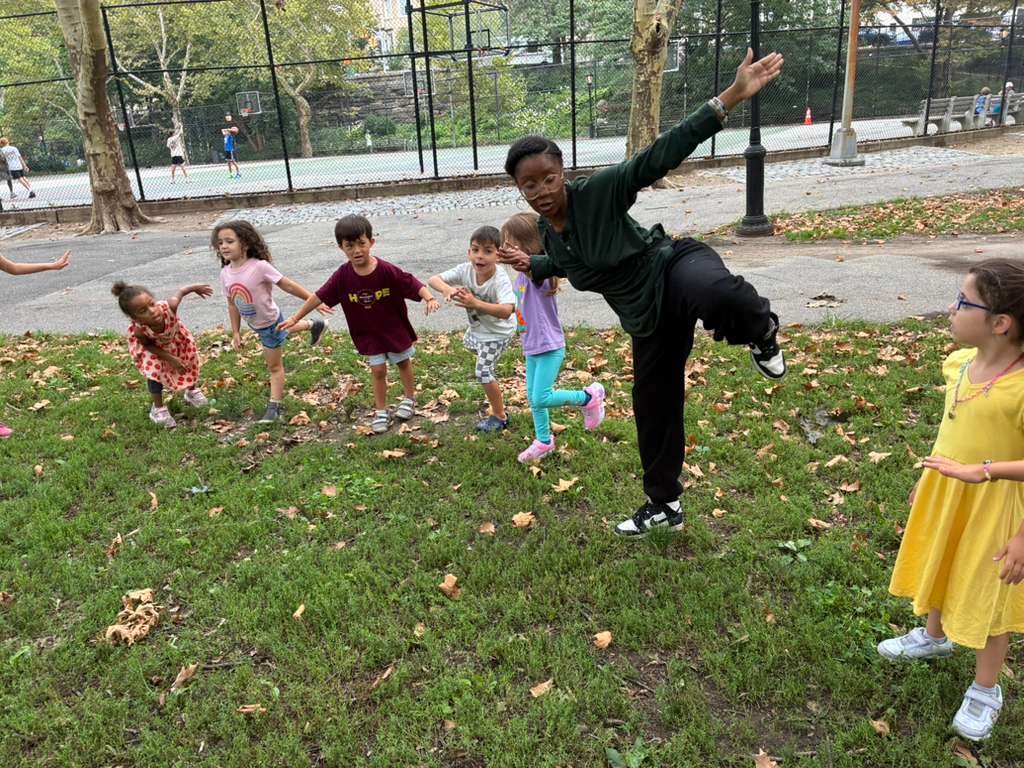
For children aged three to six, exploration and free play are essential as they learn to move, balance, and coordinate. Activities like climbing, crawling, and tumbling in safe environments are crucial. Simple songs with actions and obstacle courses can enhance their physical and cognitive development. These experiences are foundational for their brain’s information processing, emphasizing curiosity over structured lessons.
Elementary Years: Structured Games and Learning Integration
As children enter elementary school (ages seven to eleven), they enhance their movement skills and can engage in games with rules. This period is ideal for integrating movement with learning, such as using jumping jacks for math problems or hopscotch for spelling. Structured games that involve thought, like rule-based tag or team sports, boost coordination and decision-making. Studies indicate that even 30 minutes more of daily activity can significantly improve academic performance in this age group.
Adolescence: Movement for Well-being and Habit Formation
Twelve to eighteen-year-olds develop physically and personally. Enjoyable physical activities including team sports, dance, hiking, and martial arts help manage stress and build identity. Starting a physical program during this time promotes lasting healthy habits and improves cognitive performance and well-being as kids grow up. Movement is crucial to brain development, enabling learning and growth.
Practical Strategies for Integrating Movement
Increased everyday movement can improve brain function without a gym or much time. Balance boards, resistance bands, stability balls, and standing workstations are used to create movement-rich spaces. Acting out vocabulary words or memorizing math facts with bodily motions improves learning retention. Younger children can learn from huge movements or interactive arrangements.
Here’s a simple way to think about it:
- Reading: Try reading a few pages while sitting on a wobble stool or even a gently swinging chair. For spelling, create a “spelling walk” where each step you take represents a letter in the word.
- Math: Use your body to form shapes or angles. You can also measure distances by taking steps or jumps.
- Focus: Short bursts of activity, like 10 wall push-ups or a quick “animal walk” across the room, can reset your attention between tasks.
When you physically engage with information, you’re using more parts of your brain. This creates stronger connections and makes it easier to recall what you’ve learned later on. It’s like giving your memory a better filing system.
Embedding Movement into Daily Routines
Moving during regular tasks like cleaning or switching rooms is embedding movement into daily activities. Short “movement bursts” of 1-2 minutes can improve focus and help incorporate movement into regular life. Recording how these activities impact mood and focus helps motivate practice.
Movement as a Catalyst for Enhanced Learning

It’s easy to think of learning as something that happens when you’re sitting still, maybe at a desk or in front of a screen. But that’s really only part of the story. Your brain actually needs your body to move to work its best. Think of it like this: movement isn’t just a break from learning; it’s a way to make learning happen more effectively.
Supporting School Readiness Through Active Engagement
Getting children ready for school involves more than academics; it requires nurturing physical and cognitive foundations. Active movement, such as climbing and jumping, develops essential motor skills, spatial awareness, and coordination. These skills are crucial for tasks like writing and understanding math concepts, making active play a vital precursor to academic success.
Fostering Equity Through Playful Learning
Movement-based learning promotes equity by accommodating varied learning styles. Acting out concepts or physically spelling words helps kids learn, especially those who struggle with traditional approaches. This strategy meets students where they are and gives them multiple options to engage with the topic, improving engagement and achievement.
The Joyful Impact on Motivation and Energy
Physical activity boosts learning motivation and energy. Brain breaks like jumping jacks or brisk walks re-energize and clear the mind. Physical activity improves mood and learning motivation. Movement helps children assimilate new knowledge by warming up their brains, like an engine. Ready to see how movement can spark your child’s curiosity and academic growth? Visit our website to discover fun activities that combine play and learning!
What’s the Takeaway?
Engaging in physical activity not only promotes physical health but also enhances cognitive function. Movement stimulates the brain, improving attention, memory, and problem-solving abilities. Therefore, incorporating movement into your routine can serve as an effective strategy to boost mental clarity and learning.