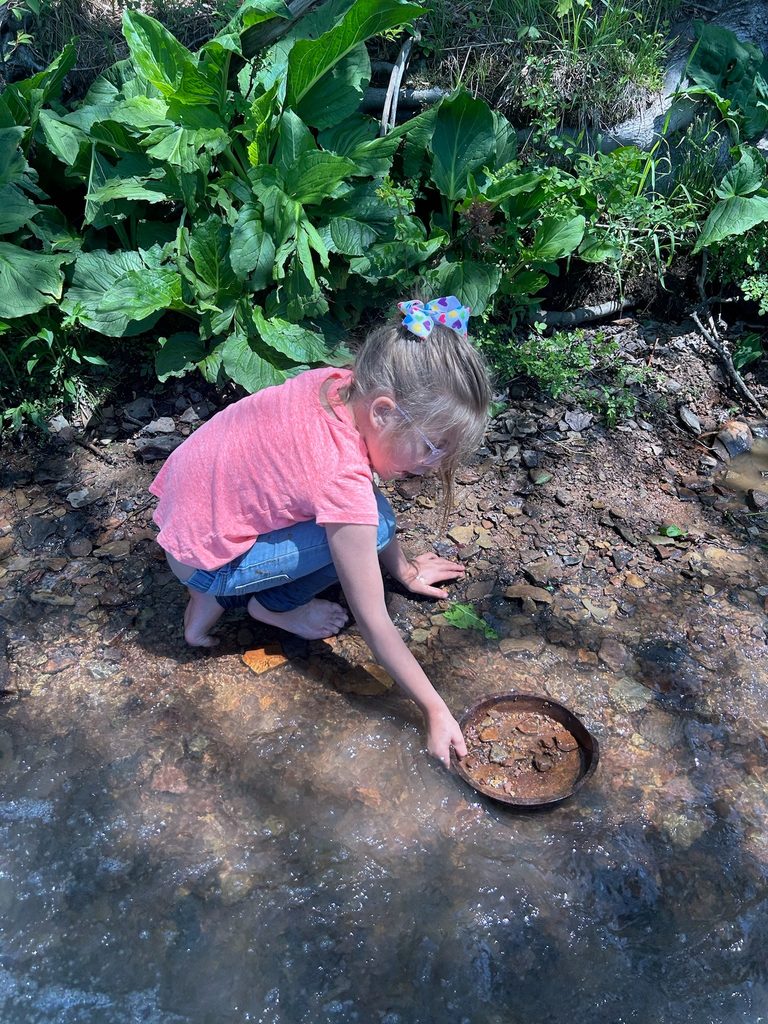
We often put everyday tasks above simple joys, especially when it comes to our kids. The benefit of outdoor activities is often neglected in the buzz of school, work, and life. Nature is more than just a place for kids to run around and breathe; it’s vital to their growth. This introduction discusses outdoor learning and how spending time in nature may enhance your child’s development. Let’s explore how nature changes youthful minds.

Key Takeaways
- Outdoor time helps youngsters develop mentally, emotionally, socially, and physically. It’s like giving them unique development fuel.
- Outdoor play lets kids be creative and solve problems. Nature provides several toys to inspire their imagination and solve challenges.
- Outdoors calms and empowers kids. Climbing a little hill boosts self-esteem and helps individuals handle difficult situations.
- Kids gain social skills by playing outside. Sharing, working together, and talking things out promotes friendships and understanding.
- Outdoor kids are healthier and may see better. They also learn to care about the environment, which benefits the globe.
Nurturing Growth Through Natural Exploration
The importance of outdoor experiences in childhood development cannot be overstated. Many of us cherish memories of playing outside, exploring nature, and engaging in imaginative play, all of which contribute significantly to our growth and learning. However, as children increasingly spend more time indoors, they risk missing out on the invaluable benefits that green environments provide. Nature serves as a dynamic classroom, offering unique opportunities for exploration, creativity, and connection. By stepping beyond the confines of traditional educational settings, children can engage in open-ended play that fosters critical thinking and problem-solving skills. This introduction highlights the vital role that nature plays in nurturing a child’s development, encouraging a lifelong appreciation for the environment and a deeper understanding of the world around them.
Here are a few ways this connection can take shape:
- Sensory Exploration: Feeling the rough bark of a tree, smelling damp earth after rain, listening to birdsong, or tasting a berry from a bush.
- Observation Skills: Noticing the different shapes of leaves, the patterns on a butterfly’s wings, or how a spider spins its web.
- Understanding Cycles: Witnessing seasons change, watching plants grow from seeds, or observing insects in different stages of life.
When children are given the freedom to explore natural spaces, they naturally engage in activities that build their confidence and problem-solving abilities. They learn to assess risks, adapt to changing conditions, and find creative solutions to the challenges they encounter. This hands-on experience is invaluable for their growth.
Enhancing Cognitive And Creative Capacities
Fostering cognitive and creative capacities in children is more important than ever. One of the most effective ways to achieve this is through open-ended play in natural environments. When children are given the freedom to explore with simple materials like sticks and mud, their imaginations ignite, transforming ordinary elements into extraordinary adventures. This unstructured play not only allows them to build fantastical worlds but also enhances their problem-solving skills as they encounter and navigate real-life challenges. Moreover, engaging with nature has been shown to improve focus and attention spans, providing a refreshing break from the confines of indoor activities. By embracing the power of outdoor play, we can nurture critical thinking and creativity in children, equipping them with essential skills for their future.
Here’s a quick look at how outdoor time can help:
- Improved Concentration: Natural environments can reduce restlessness and help children focus.
- Better Memory: Time spent outdoors is linked to improvements in memory recall.
- Enhanced Executive Function: Skills like planning, organizing, and self-control often get a boost from outdoor experiences.
When children are given the freedom to explore and interact with the natural world, their minds are constantly engaged in a process of discovery. They learn to observe, question, and experiment, building a strong foundation for lifelong learning and creative thinking. It’s about letting them be curious and discover the world at their own pace.
Building Resilience And Emotional Well-Being
Building resilience and emotional well-being is crucial. Nature provides a unique opportunity to overcome obstacles and build strength. Climbing a hill or crossing a stream may seem insignificant, but they build confidence and skill. Each natural win promotes the idea that we can handle unexpected challenges. The natural world’s tranquility helps us relax and reset our minds despite life’s stresses. Enjoying nature boosts resilience and emotional wellness.
Here are a few ways nature helps you feel more in control:
- Trying new things: You might try balancing on a log or reaching for a higher branch. Each attempt, successful or not, teaches you something.
- Figuring things out: When a path is blocked, you have to find a new way around. This problem-solving builds your independence.
- Being present: Focusing on the feel of the wind or the sound of the water helps you stay in the moment, away from worries.
Spending time in nature enhances mental health, alleviating stress and fostering a sense of belonging. It empowers individuals to manage challenges and find tranquility, integral to personal growth. Nature provides a safe environment for practicing these skills.
Strengthening Social Bonds And Communication

When you let kids explore the outdoors, they naturally start talking to each other. Think about it: building a fort, digging for worms, or even just chasing butterflies requires teamwork. These shared activities are where you’ll see them learn to take turns, figure out how to share tools, and work together to achieve a common goal. It’s not just about playing; it’s about learning to communicate effectively.
Learning Cooperation Through Shared Play
Outdoor play spaces, whether it’s a local park or a patch of woods, become natural gathering spots. Here, children invent games and scenarios, which is a fantastic way for them to practice cooperation. They have to agree on rules, assign roles, and sometimes, sort out disagreements. This kind of unstructured play helps them understand different perspectives and develop a sense of fairness. These interactions are where real social skills are built, far beyond what a worksheet can teach.
Developing Empathy And Understanding
As children play together outside, they start to notice each other’s feelings and reactions. When one child is sad because their tower fell, another might offer to help rebuild it. This simple act shows a budding sense of empathy. They learn to read social cues, understand that others have different needs, and respond with kindness. This connection with peers, built through shared experiences in nature, is a powerful way to grow their emotional intelligence. You can see this happen when they work together on a nature scavenger hunt, needing to communicate what they find and help each other spot the next item on the list.
Building Friendships In Outdoor Spaces
Nature fosters friendships through shared experiences, such as discovering bugs or climbing rocks, which create bonds and shared memories essential for lasting relationships. Outdoor activities enable children to rely on each other, celebrate victories, and provide comfort in difficult times, ultimately enhancing their communication skills. The outdoor environment encourages interaction and cooperation in a relaxed setting, allowing children to refine their social abilities without the pressures of structured environments.
The Physical Advantages Of Outdoor Engagement
Engaging children in outdoor activities provides significant physical benefits crucial for their health and development. Activities like running, jumping, and climbing enhance muscle strength, balance, and coordination, combating sedentary behaviors. Outdoor play also supports bone health through sunlight exposure, promoting Vitamin D production, which fortifies bones and the immune system. Additionally, it can improve children’s vision by reducing the risk of nearsightedness through exposure to natural light. Ultimately, outdoor play is essential for fostering a healthy and active lifestyle in children.
Here’s a quick look at how outdoor play supports physical growth:
- Cardiovascular Health: Running and active games get the heart pumping.
- Motor Skills: Climbing, balancing, and throwing refine coordination.
- Vitamin D Production: Sunlight exposure aids bone strength and immunity.
- Eye Health: Natural light and varied distances help vision development.
Cultivating Environmental Stewardship

Cultivating environmental stewardship is essential for fostering a generation that values and protects our planet. Engaging with nature not only enhances our understanding of the environment but also instills a sense of responsibility and encourages sustainable practices among children.
Experiencing Nature’s Wonders Firsthand
Cultivating environmental stewardship is essential for fostering a generation that values and protects our planet. Engaging with nature not only enhances our understanding of the environment but also instills a sense of responsibility and encourages sustainable practices among children.
Instilling A Sense Of Responsibility
Cultivating environmental stewardship is essential for fostering a generation that values and protects our planet. Engaging with nature not only enhances our understanding of the environment but also instills a sense of responsibility and encourages sustainable practices among children.
Encouraging Sustainable Practices
Cultivating environmental stewardship is essential for fostering a generation that values and protects our planet. Engaging with nature not only enhances our understanding of the environment but also instills a sense of responsibility and encourages sustainable practices among children.
Integrating Nature Into Daily Learning
Outdoor classrooms enhance children’s learning by transforming abstract concepts into tangible experiences. Engaging with nature allows students to directly interact with science and math, such as measuring jumps or observing insects, making education feel more adventurous. These environments not only improve well-being but also contribute to better academic performance by increasing attention spans and memory. Nature provides practical examples for teaching complex ideas, like using a garden to explain fractions, allowing students to connect classroom knowledge with the real world through hands-on activities.
Bringing the outdoors in can make learning way more fun! Imagine lessons that feel like adventures, using the natural world as your classroom. This approach helps kids connect with their surroundings and learn in exciting new ways. Ready to explore how nature can boost your child’s education? Visit our website to discover fun activities and resources that bring the wonders of nature right into your home or classroom.
Step Outside and See the Difference
It’s important for kids’ overall growth to get them to spend time outside. Being in nature is good for your physical health, but it also helps your creativity, social skills, and mental wellness. Parents can help their kids connect more deeply with the world around them by making outdoor activities a priority. This will make their childhood more balanced and enjoyable. So, take the time to go outside and explore together. These are the kinds of things that can really make their life better.\